About Land Capability Assessments: What Victorian Property Owners Should Know
If your property isn't connected to mains sewerage, you will likely meet a land capability assessment (LCA) at some point, whether you are building a new home, subdividing, or planning a commercial project. This guide covers about land capability assessments: what they are, what they involve, who needs them, and how to prepare. It also explains how commercial land capability assessments differ from residential ones.
What Is a Land Capability Assessment?
A land capability assessment checks whether a block of land can safely handle wastewater generated on the property. For septic systems, the key question is whether treated effluent can be dispersed to land without harming people, neighbouring properties, groundwater, or waterways.
The assessment looks at the land itself, including its soil, slope, drainage, and surroundings. The result is a professional report that guides the choice of treatment system and where it should sit. It also supports applications to councils and other regulators.
Why Do LCAs Matter?
It is tempting to treat an LCA as just another piece of paperwork, but it does real work for your project:
- It protects the environment. Poorly matched systems can lead to effluent pooling, odours, or contamination.
- It protects your investment. A system designed for the actual soil is less likely to fail and need expensive rework.
- It supports approvals. Councils and regulators generally want evidence that wastewater can be managed onsite.
- It informs planning early. Learning about site constraints before you finalise building plans avoids costly redesigns.
The Core Parts of an Assessment
Septic Land Capability Assessment (SLCA) describes its work around three main services:
Site Evaluation
An assessor inspects the property to understand how it behaves. They consider slope, drainage patterns, vegetation, nearby water features, and available space for a system and its dispersal area.
Soil Testing
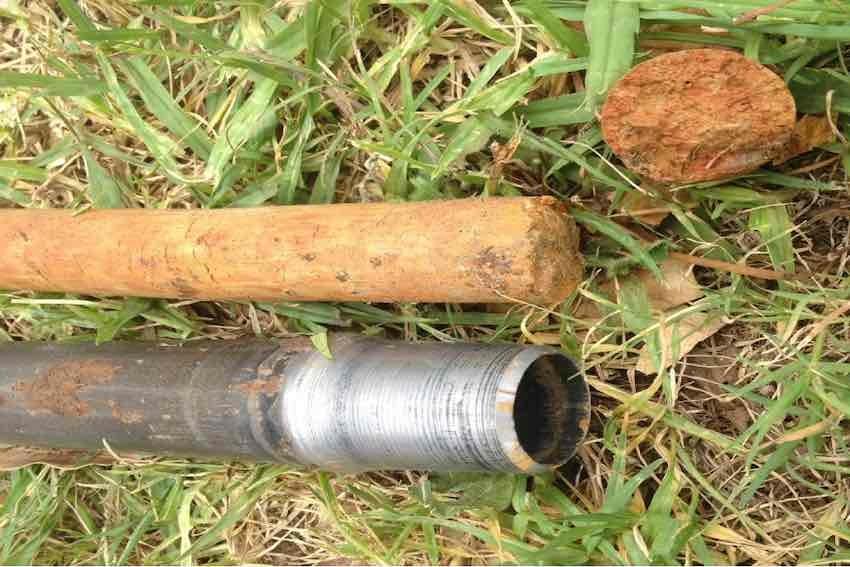
Soil is a major factor in whether effluent can be absorbed and treated. Testing reveals the soil's characteristics, which influence what system type and size will work.
Percolation Testing
Percolation testing measures how readily water moves through the soil. This helps determine whether the ground can take the expected volume of effluent.
Together, these steps produce practical, site-specific recommendations rather than generic advice.
Who Needs a Land Capability Assessment?
SLCA works across several sectors, and the needs differ a little between them.
Residential Homeowners and Developers
Homeowners building on unsewered land, and developers creating residential lots, need to show that each property can support a septic system. For developers, an early assessment can shape lot layouts and affect how many lots a site can reasonably support.
Commercial Developments
Commercial land capability assessments serve projects such as businesses, rural enterprises, and other developments that produce wastewater without a sewer connection. Commercial sites can involve different usage patterns and higher or more variable wastewater volumes than a single household, so a careful assessment matters even more. Getting land suitability confirmed early helps avoid delays once design and approvals begin.
Municipal and Private Planning
Councils and private planners also need assessments to support planning decisions and meet regulatory requirements.
Residential vs Commercial: Key Differences
While the basic method is similar, there are some practical differences worth noting:
| Factor | Residential | Commercial |
|---|---|---|
| Wastewater volume | Generally predictable, based on household size | Can be larger and more variable, depending on use |
| Site layout | Usually one dwelling and a dispersal area | May involve multiple buildings and larger areas |
| Planning stakes | Individual home approval | Often tied to broader development approvals |
| Reporting detail | Focused on the single lot | May need more detailed information for the project |
Always discuss your project's exact wastewater needs with your assessor, because they shape the design.
How to Prepare for Your Assessment
A little preparation makes the process quicker and more accurate:
- Gather your plans. Site plans, proposed building locations, and the expected number of occupants or users help the assessor estimate wastewater loads.
- Know your boundaries. Clear markers or surveys help ensure setbacks are measured correctly.
- Ensure access. Clear the site so the assessor can inspect and test the land.
- Share your timeline. If you have a council deadline or construction start date, tell the assessor upfront.
- Start early. Doing the assessment at the planning stage gives you more flexibility if the land has constraints.
Why Choose Septic Land Capability Assessment?
SLCA delivers Victoria-wide services and highlights its experience, with over 20 years in the field. The team has formal tertiary training in geosciences (a Bachelor of Geological Science from Monash) and is fully insured. The company also emphasises up-to-date training and regulatory compliance.
Their approach centres on three things: tailored site evaluations, clear communication, and reliable reporting. You can request a quote or book an inspection through the website.
Frequently Asked Questions
What is a land capability assessment?
It is an assessment of whether land can sustainably manage wastewater onsite. It examines soil, slope, drainage, and other site conditions to determine whether a septic system is suitable.
Who needs an LCA?
Property owners and developers on unsewered land typically need one. This includes residential builders, commercial developers, and parties involved in municipal or private planning. Check with your local council for the requirements that apply to your property.
What does the assessment involve?
It usually involves a site evaluation, soil testing, and percolation testing, followed by a written report with recommendations.
What is percolation testing?
Percolation testing measures how quickly water drains through the soil. It helps indicate whether the ground can absorb treated effluent at the required rate.
Are commercial assessments different from residential ones?
The overall approach is similar, but commercial projects often have larger or more variable wastewater volumes and more complex layouts. This can mean more detailed assessment and reporting.
When should I get an LCA done?
As early as you can, ideally during planning. Early results help you design around any constraints and avoid costly changes later.
Does SLCA work across Victoria?
Yes. SLCA provides land capability assessment services Victoria-wide for residential, commercial, and municipal projects.
How do I get a quote?
Use the "Request a Quote" or "Get in Touch" options on the SLCA website, and share your property details and project plans.
Final Thoughts
Understanding about land capability assessments helps you plan with confidence, whether you are a homeowner, developer, or planner. A thorough site evaluation, soil testing, and percolation testing give you the information to choose the right system. For larger projects, commercial land capability assessments provide the detailed evidence regulators and designers need. Starting early and working with an experienced, qualified assessor is the surest way to keep your project on track.


Comments
Post a Comment