Understanding Land Capability Assessment for Smarter Septic Planning
Developing land without access to a reticulated sewer system requires careful consideration of how wastewater will be treated, managed, and dispersed. Before a septic or onsite wastewater system is installed, understanding the physical characteristics and limitations of the property is essential. A professional land capability assessment provides the information needed to determine whether a site can sustainably manage wastewater while supporting responsible development.
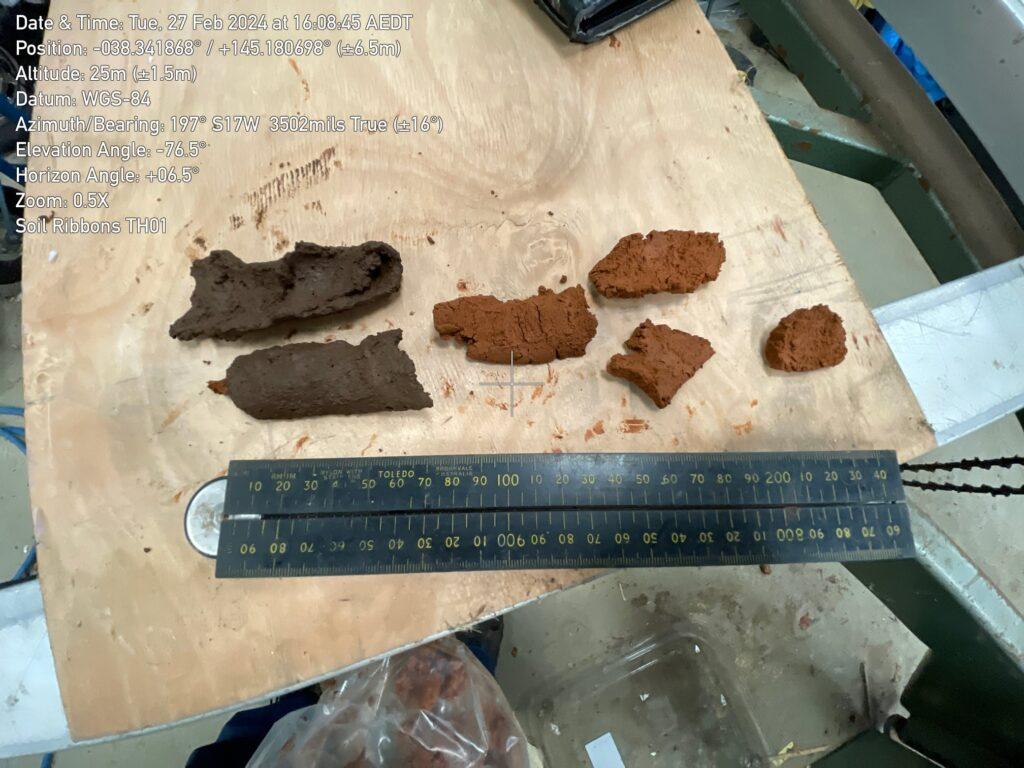
Septic Land Capability Assessment specialises in professional assessments designed to help property owners, developers, builders, and project stakeholders make informed decisions about onsite wastewater management. With a focus on site-specific investigation and practical recommendations, the service helps clients understand the suitability of their land before proceeding with development or wastewater system planning.
Why Land Capability Assessment Matters
Every property has different characteristics. Soil structure, permeability, slope, drainage, groundwater conditions, vegetation, available land area, and proximity to waterways can all influence how wastewater should be managed.
A land capability assessment examines these factors alongside the proposed use of the property. The objective is to establish whether the available land can safely accommodate wastewater treatment and effluent dispersal without creating unnecessary risks to public health or the surrounding environment.
For development projects, undertaking this work early can also help identify potential constraints before major design decisions are made. Site information may influence the positioning of a dwelling, wastewater infrastructure, access areas, and other components of a proposed development.
Professional Site Evaluation
A thorough assessment begins with understanding the site itself. A professional site evaluation considers the property's physical characteristics and the requirements of the proposed development.
Important factors may include:
-
Land slope and topography
-
Soil characteristics and structure
-
Drainage patterns
-
Soil permeability and infiltration
-
Groundwater conditions
-
Surface water and waterways
-
Available areas for effluent dispersal
-
Environmental and site constraints
-
Proposed wastewater loading
These considerations help establish how wastewater could potentially be treated and dispersed on the property. Rather than relying on general assumptions, professional investigation provides information specific to the land being assessed.
The Importance of Soil Testing
Soil plays a central role in onsite wastewater management. Different soil types have different capacities to absorb, filter, and manage effluent. For this reason, soil testing is an important component of the assessment process.
Investigations can provide information about soil texture, structure, permeability, drainage characteristics, and other properties relevant to wastewater dispersal. Understanding the soil profile can help identify potential limitations and determine what type of wastewater management approach may be appropriate.
Percolation or infiltration testing can also help establish how water moves through the soil. This information can be particularly valuable when assessing properties with variable soil conditions, restrictive layers, steep terrain, or limited available space.
Combining field observations with appropriate testing creates a more reliable basis for wastewater planning.
Supporting Development Projects
Land capability assessments can benefit more than individual homeowners. Developers, builders, designers, planners, and property professionals may require reliable site information when working on unsewered properties.
Development Land Capability Assessment Services can support projects where wastewater management is an important part of development planning. This may include new residential properties, rural developments, extensions, subdivisions, commercial proposals, and other projects where onsite wastewater treatment is being considered.
An assessment completed at an early stage can help project teams understand site limitations before investing heavily in detailed designs. Identifying wastewater constraints early may help avoid unnecessary design changes later in the development process.
For subdivision projects, understanding the capability of individual areas of land can also be valuable when determining whether proposed lots have sufficient space and suitable conditions for onsite wastewater management.
Tailored Assessment for Individual Properties
No two properties are exactly alike. Even neighbouring blocks can have significant differences in soil, slope, drainage, vegetation, and groundwater conditions.
This is why Land capability assessment services need to be tailored to the individual property and proposed development.
A professional assessment can bring together site observations, soil information, percolation testing, wastewater requirements, and relevant environmental considerations. The resulting report can provide a clear overview of the site's capabilities and the factors that should be considered when planning wastewater infrastructure.
A site-specific approach is particularly important for properties with challenging terrain, restrictive soil conditions, limited land availability, or proximity to waterways and environmentally sensitive areas.
Making the Planning Process Easier
For property owners, wastewater planning can sometimes feel complicated. Questions may arise about whether a property is suitable for onsite wastewater management, what testing is required, how much land is needed, and what information may need to be provided as part of a development application.
Working with an experienced assessment provider can make the process more straightforward.
Septic Land Capability Assessment focuses on investigating property conditions and preparing practical recommendations based on the characteristics of each site. This allows property owners and development professionals to obtain useful technical information before making important decisions about wastewater systems.
Clear assessment documentation can also help different members of a project team work from the same information. Builders, designers, planners, engineers, and property owners can use the findings when considering the broader development requirements.
Planning Before You Build
An onsite wastewater system is a long-term investment, so choosing an appropriate approach requires more than selecting a treatment unit. The land itself needs to be capable of supporting the proposed wastewater management strategy.
Obtaining an assessment during the early planning stage can help identify potential limitations before construction begins. It provides valuable information about the property and gives designers an opportunity to incorporate wastewater requirements into the development plan.
Early planning can be especially useful when a property has limited usable land. If the available area for wastewater dispersal is restricted, understanding the site's limitations before finalising the building layout can help avoid potential conflicts between wastewater infrastructure and other parts of the development.
Choosing an Experienced Assessment Provider
When selecting a land capability assessment services provider, property owners should consider experience, technical knowledge, testing capabilities, reporting quality, and familiarity with relevant local requirements.
A professional provider should be able to assess the physical characteristics of the site, carry out appropriate investigations, explain the findings clearly, and prepare documentation relevant to the proposed development.
Septic Land Capability Assessment provides specialised services focused on septic wastewater planning and land capability evaluation. Its approach is centred on understanding individual site conditions and developing practical recommendations for onsite wastewater treatment and effluent dispersal.
Frequently Asked Questions
1. What is a land capability assessment?
A land capability assessment evaluates a property's soil, slope, drainage, permeability, and other site conditions to determine its suitability for onsite wastewater management.
2. Why is a septic land assessment important?
It helps identify site limitations and provides essential information for planning a suitable wastewater treatment and effluent disposal system.
3. When should I arrange an assessment?
Ideally, an assessment should be completed during the early planning stage, before finalising building or development designs.
4. What does the assessment include?
Depending on the property, the assessment may include site evaluation, soil investigation, permeability or percolation testing, and recommendations for wastewater management.
5. Who can benefit from these services?
Homeowners, developers, builders, planners, and property owners undertaking projects on land without access to a reticulated sewer system can benefit from professional assessment services.
A Practical Step Towards Responsible Development
Responsible development starts with understanding the land. Where a property does not have access to a conventional sewer network, evaluating its capability for onsite wastewater management is an important part of the planning process.
A detailed assessment can help identify soil and site limitations, understand drainage and permeability characteristics, and provide useful information for designing an appropriate wastewater management strategy.
Whether planning a new home, rural property, extension, subdivision, or another development, obtaining professional advice early can provide greater clarity throughout the project.
With a specialised focus on septic wastewater assessment, soil testing, percolation testing, and site evaluation, Septic Land Capability Assessment helps property owners and development professionals understand their land and plan appropriate onsite wastewater solutions.
By assessing the property before development decisions are finalised, clients can approach wastewater planning with better information and a clearer understanding of the site's capabilities.


Comments
Post a Comment